
—-Scroll down to read the German and French version—-
When my body said no: Why I left my yoga teacher training in India
Content note: This article discusses sexual violence, trauma and retraumatisation.
In brief: I left my yoga teacher training in India after one week. Once there, I learned about documented allegations of sexual violence connected to the tradition on which the training was based. When I set a boundary in a situation that was retraumatising for me, I did not feel protected or respected by the course leader. My experience shows why independent ways to raise concerns and genuine trauma awareness matter in body-based and spiritual programmes.
In September, I travelled to India to complete a yoga teacher training course. I wanted to support my own healing and learn how to bring a greater awareness of the body into my work with women in Burkina Faso who have themselves been through difficult experiences.
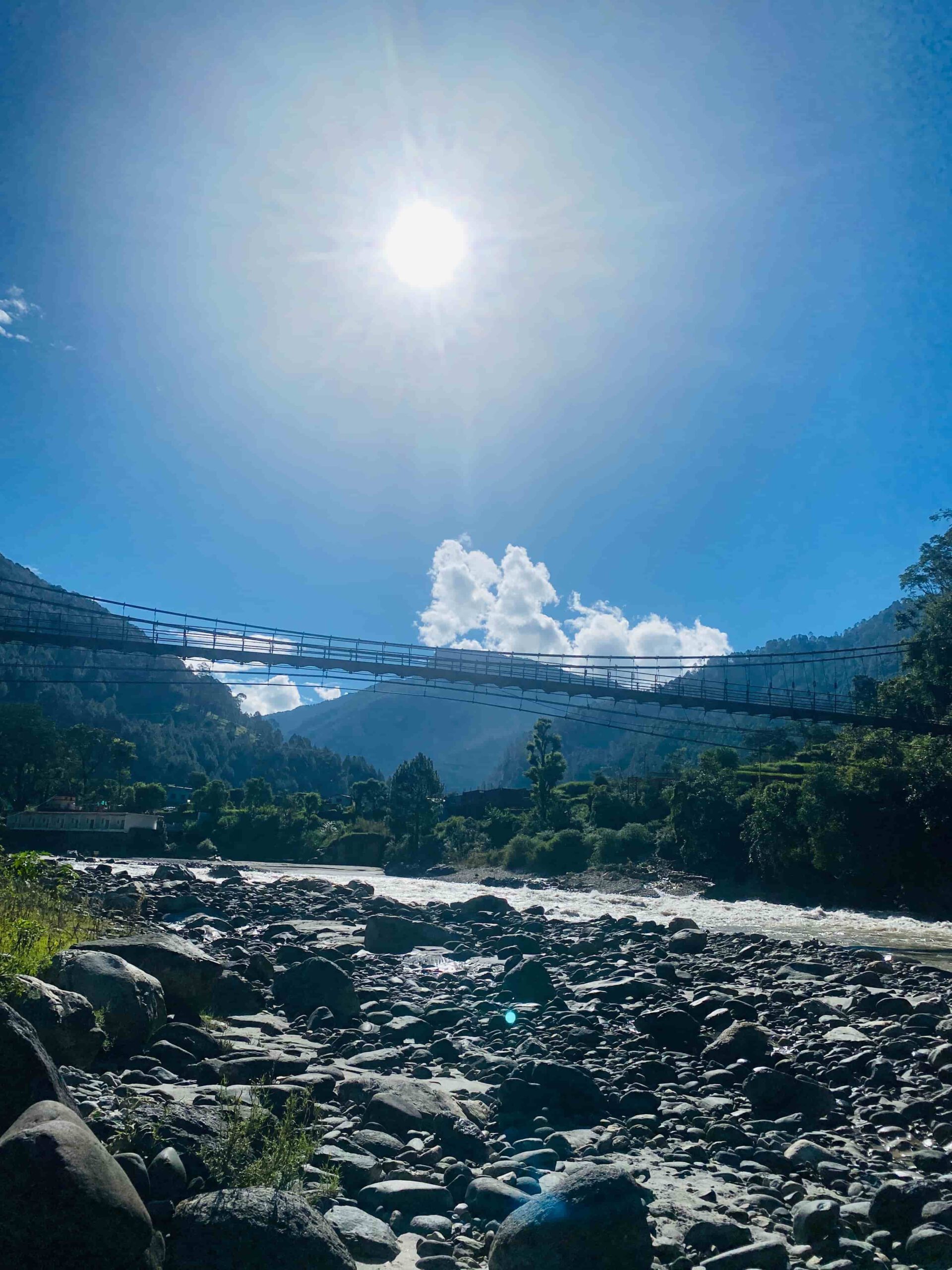
The setting in northern India could hardly have been more beautiful: the foothills of the Himalayas, the nearby Ganges, lush nature and an ashram that seemed peaceful from the outside. Yet within a few days, I realised that my body was sensing something very different.
A great deal of trust — and a great deal of responsibility in one person’s hands
The four-week yoga teacher training course was organised by a provider based in Berlin. Our payments, the course content and all the preparations went through that provider. The arrangements before the trip felt personal and trustworthy. At first, I felt good about it and looked forward to our time together.
The training itself took place at an ashram run by a different organisation. As far as I currently understand, it primarily provided the venue, accommodation and infrastructure. I only gradually grasped, once I was there, the full extent to which the Sivananda tradition formed the spiritual and conceptual framework of the programme.
What I only learned once I was there
Shortly after the course began, the course leader spoke to us participants about publicly documented allegations of sexual violence within the Sivananda organisation — including allegations against Swami Vishnudevananda — without any trigger warning. We were told that the organisers had distanced themselves from Vishnudevananda and from problematic practices. To me, however, that distancing remained contradictory: Swami Vishnudevananda was a student of Swami Sivananda, founded the International Sivananda Yoga Vedanta Centres and established the first yoga teacher training courses in the West. Our training manual also presented Sivananda and Vishnudevananda side by side as central figures in the tradition. In my copy of the manual, I could not find any critical discussion of the allegations against him or other senior figures.
The allegations became public in late 2019. An independent, community-funded investigation by Project SATYA subsequently examined the accounts of four women. The lead investigator found their accounts credible and pointed to recurring patterns and corroborating witness testimony. The report is not a court ruling. It does, however, document serious allegations of sexual violence and raise questions about the institutional response to them.
A promise of protection on paper
Before we travelled, all participants had to sign an anti-harassment policy. It committed us to treating others with respect and without violence, respecting personal boundaries and protecting other people’s wellbeing. It expressly ruled out intimidation, humiliation and retaliation.
Complaints, however, were to be directed to the course organiser. The policy did not provide for an independent complaints contact or name a specific person to approach. That meant the course leader would have been my only point of contact — even if the conflict concerned her own behaviour. Protection and respect for boundaries were clearly stated on paper. What mattered to me was what happened when I needed to set a boundary myself.
When I set a boundary
The tightly scheduled programme and the pressure I felt began to trigger strong physical reactions and panic attacks after only a short time. My nervous system was telling me very clearly that I did not feel safe in that situation. When mandatory programme sessions about sexual violence were announced, I explained that I could not take part. I disclosed that I had experienced abuse myself and that the situation was retraumatising for me.
From my perspective, the response lacked empathy. In essence, I was told, “But you’re not being abused anymore.” At the same time, I was assured that the course leader would hold space for us. I felt very clearly that this was not true for me. Two days later, I said I was unwell and took a day off because my nervous system could no longer cope with the programme. I then felt further pressure. Although I had explained why I needed to withdraw and had said that the situation was retraumatising, the course leader tried to enter my room and insisted that participation was mandatory.
There was no independent person I could turn to at that moment. The person whose behaviour I experienced as crossing my boundaries was also my only official point of contact and the person who decided whether I could continue with the training.
That was when I knew: I had to leave.
Leaving was not a failure
 Leaving the training after one week was not an easy decision. I had invested a great deal of hope and money in this journey. Today, though, I see my decision to leave as an act of self-care.
My body had set a boundary long before I could make sense of all the organisational and historical connections. Listening to it was the most important thing I could do at that moment.
At a small homestay near the ashram, I then found exactly what I had been missing: calm, care and human warmth. The family welcomed me, cooked for me, asked how I was doing and helped me arrange the next part of my journey. There, my nervous system slowly began to settle.
From that safe place, a different journey through India began — full of vivid colours, lush nature, memorable encounters and textile inspiration. Those experiences are part of my story too.
Protection is shown through action
A safeguarding policy is not proven by participants’ signatures. It is proven by how those in charge respond when someone sets a boundary.
I am sharing my story not to condemn yoga, ashrams or India as a whole. I have deep respect for the subcontinent’s spiritual traditions, which go back thousands of years. As far as I currently understand, the ashram where we stayed was not involved in the content of the training. My experience concerns the training, its organisational structures and the course leader’s response to my situation.
Spiritual and body-based programmes often attract people who are seeking healing, guidance or renewed strength. That is precisely why these spaces need clear lines of responsibility, independent ways to raise concerns, voluntary participation, respect for physical and psychological boundaries — and trauma awareness that is practised, not merely promised.
About the author:
 Tanja Diallo is the founder of Diallo tissue tales – with over 30 years experience in editorial work and fashion design. The blog “Stoffgeschichten” (Tissue Tales) by the brand Diallo tissue tales focuses on textile creativity, handcrafted decolonial fabrics from West Africa and regular trips to Burkina Faso, fair collaboration with women-led organisations on an equal footing, and the connection between fabric, dignity and visibility.
——————————————————————————————–
Als mein Körper Nein sagte: Warum ich meine Yogalehrerausbildung in Indien abbrach
 Hinweis: In diesem Beitrag geht es um sexualisierte Gewalt, Trauma und Retraumatisierung.
In Kürze: Ich habe meine Yogalehrerausbildung in Indien nach einer Woche abgebrochen. Vor Ort erfuhr ich von dokumentierten Vorwürfen sexualisierter Gewalt im Umfeld der Tradition, auf die sich die Ausbildung bezog. Als ich wegen einer retraumatisierenden Situation eine Grenze setzte, fühlte ich mich von der Kursleitung weder geschützt noch respektiert. Meine Erfahrung zeigt, wie wichtig unabhängige Beschwerdewege und gelebte Traumasensibilität in körperorientierten und spirituellen Angeboten sind.
Im September bin ich nach Indien gereist, um eine Yogalehrerausbildung zu machen. Ich wollte etwas für meine eigene Heilung tun und lernen, den Körper stärker in meine Arbeit mit den Frauen in Burkina Faso einzubeziehen, die selbst belastende Erfahrungen gemacht haben.
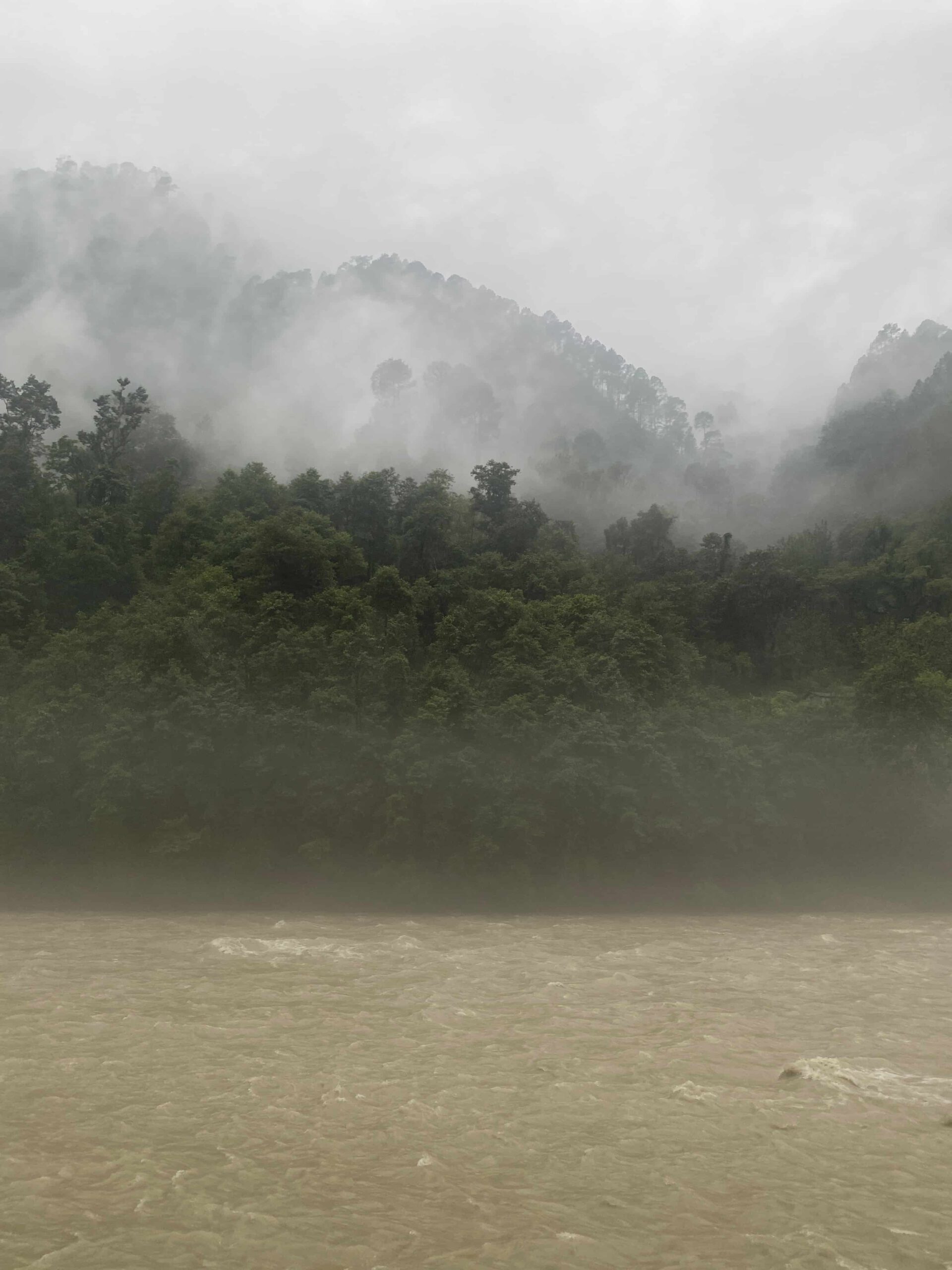
Der Ort im Norden Indiens hätte kaum schöner sein können: die Ausläufer des Himalayas, die unmittelbare Nähe zum Ganges, üppige Natur und ein Ashram, der äußerlich viel Ruhe ausstrahlte. Doch schon nach wenigen Tagen merkte ich, dass mein Körper etwas völlig anderes wahrnahm.
Viel Vertrauen – und viel Verantwortung in einer Hand
Die vierwöchige Yogalehrerausbildung wurde von einem Berliner Anbieter organisiert. Über diesen liefen unsere Zahlungen, das inhaltliche Konzept der Ausbildung und die gesamte Vorbereitung. Die Organisation vor der Reise war persönlich und vertrauensvoll. Ich hatte zunächst ein gutes Gefühl und freute mich auf die gemeinsame Zeit.
Die Ausbildung selbst fand in einem Ashram statt, der von einer anderen Organisation betrieben wurde. Dieser stellte nach meinem bisherigen Kenntnisstand vor allem den Ort, die Unterkünfte und die Infrastruktur zur Verfügung. Dass die Sivananda-Tradition den spirituellen und inhaltlichen Rahmen des Programms bildete, wurde mir in seiner ganzen Tragweite erst nach und nach vor Ort bewusst.
Was ich erst vor Ort erfuhr
Kurz nach Beginn der Ausbildung sprach die Kursleitung mit uns Teilnehmenden über öffentlich dokumentierten Vorwürfe sexualisierter Gewalt innerhalb der Sivananda-Organisation – unter anderem gegen Swami Vishnudevananda – ohne jegliche Triggerwarnung. Zwar wurde erklärt, man habe sich von Vishnudevananda und von problematischen Praktiken distanziert. Für mich blieb diese Distanzierung dennoch widersprüchlich: Swami Vishnudevananda war Schüler von Swami Sivananda, gründete die International Sivananda Yoga Vedanta Centres und etablierte die ersten Yogalehrerausbildungen im Westen. Auch in unserem Ausbildungshandbuch wurden Sivananda und Vishnudevananda nebeneinander als zentrale Persönlichkeiten der Tradition dargestellt. Eine kritische Einordnung der gegen ihn und weitere Führungspersönlichkeiten erhobenen Vorwürfe konnte ich in meinem Exemplar des Handbuchs nicht erkennen.
Die Vorwürfe waren Ende 2019 öffentlich geworden. Ein unabhängiger, gemeinschaftsfinanzierter Untersuchungsbericht des Project SATYA befasste sich anschließend mit den Aussagen von vier Frauen. Die Untersuchungsleiterin bewertete deren Berichte als glaubwürdig und verwies auf übereinstimmende Muster sowie bestätigende Zeugenaussagen. Bei dem Bericht handelt es sich nicht um ein Gerichtsurteil. Er dokumentiert jedoch schwerwiegende Vorwürfe sexualisierter Gewalt und Fragen nach dem institutionellen Umgang damit.
Ein Schutzversprechen auf dem Papier
Vor unserer Abreise mussten alle Teilnehmenden eine Anti-Belästigungsrichtlinie unterschreiben. Darin verpflichteten wir uns zu einem respektvollen und gewaltfreien Umgang, zur Achtung persönlicher Grenzen und zum Schutz des Wohlbefindens anderer. Einschüchterung, Demütigung und Vergeltungsmaßnahmen wurden ausdrücklich ausgeschlossen.
Beschwerden sollten jedoch direkt an den Veranstalter gerichtet werden. Eine unabhängige oder namentlich benannte Beschwerdestelle sah das Papier nicht vor. Damit wäre ausgerechnet die Kursleitung meine einzige Anlaufstelle gewesen – auch dann, wenn der Konflikt ihr eigenes Verhalten betraf. Auf dem Papier waren Schutz und Grenzachtung klar formuliert. Entscheidend war für mich aber, was geschah, als ich selbst eine Grenze setzen musste.
Als ich selbst eine Grenze setzte
Das eng getaktete Programm und der von mir wahrgenommene Druck lösten bereits nach kurzer Zeit starke körperliche Reaktionen und Panikattacken aus. Mein Nervensystem signalisierte mir sehr deutlich, dass ich mich in dieser Situation nicht sicher fühlte. Als verpflichtende Programmpunkte zum Umgang mit sexualisierter Gewalt angekündigt wurden, erklärte ich, dass ich daran nicht teilnehmen könne. Ich legte offen, dass ich selbst Missbrauch erlebt habe und dass die Situation für mich retraumatisierend wirkt.
Darauf wurde aus meiner Sicht nicht empathisch reagiert. Sinngemäß erhielt ich die Antwort: „Du wirst doch jetzt nicht mehr missbraucht.“ Gleichzeitig wurde mir versichert, die Leitung werde den Raum halten. Ich spürte jedoch sehr klar, dass das für mich nicht zutraf. Zwei Tage später meldete ich mich für einen Tag krank, weil mein Nervensystem das Programm nicht mehr bewältigen konnte. Daraufhin wurde weiter Druck auf mich ausgeübt. Obwohl ich meinen Rückzug erklärt und auf die Retraumatisierung hingewiesen hatte, versuchte die Leitung, in mein Zimmer zu kommen, und bestand darauf, dass die Teilnahme verpflichtend sei.
Es gab für mich keine unabhängige Person, an die ich mich in diesem Moment hätte wenden können. Diejenige, deren Verhalten ich als grenzüberschreitend erlebte, war zugleich meine einzige offizielle Ansprechpartnerin und die Person, die über meine Teilnahme an der Ausbildung entschied.
Da wusste ich: Ich muss gehen.
Gehen war kein Scheitern
Die Ausbildung nach einer Woche zu verlassen, war keine leichte Entscheidung. Ich hatte viele Erwartungen an diese Reise geknüpft. Heute sehe ich meinen Abbruch jedoch als einen Akt der Selbstfürsorge.
Mein Körper hatte eine Grenze gesetzt, lange bevor ich alle organisatorischen und historischen Zusammenhänge rational einordnen konnte. Ihm zuzuhören war in diesem Moment das Wichtigste.
In einem kleinen Homestay in der Nähe des Ashrams fand ich anschließend genau das, was ich zuvor vermisst hatte: Ruhe, Fürsorge und menschliche Zugewandtheit. Die Familie nahm mich herzlich auf, kochte für mich, erkundigte sich nach meinem Befinden und half mir, meine Weiterreise zu organisieren. Dort konnte sich mein Nervensystem langsam wieder beruhigen.
Von diesem sicheren Ort aus begann eine andere Reise durch Indien – mit leuchtenden Farben, üppiger Natur, besonderen Begegnungen und vielen textilen Inspirationen. Auch diese Erfahrungen gehören zu meiner Geschichte.
Schutz zeigt sich im Handeln
Ein Schutzkonzept beweist sich nicht durch die Unterschrift der Teilnehmenden. Es beweist sich daran, wie Verantwortliche reagieren, wenn ein Mensch eine Grenze setzt.
Ich erzähle meine Geschichte nicht, um Yoga, Ashrams oder Indien pauschal zu verurteilen. Ich habe große Hochachtung vor der jahrtausendealten spirituellen Kultur des Subkontinents. Der Ashram, in dem wir untergebracht waren, war nach meinem bisherigen Kenntnisstand inhaltlich nicht in die Ausbildung involviert. Meine Erfahrungen beziehen sich auf die Ausbildung, ihre organisatorischen Strukturen und den Umgang der Kursleitung mit meiner Situation.
Spirituelle und körperorientierte Angebote ziehen häufig Menschen an, die Heilung, Orientierung oder neue Kraft suchen. Gerade deshalb brauchen solche Räume transparente Verantwortlichkeiten, unabhängige Beschwerdewege, freiwillige Teilnahme, die Achtung körperlicher und psychischer Grenzen – und eine Traumasensibilität, die nicht nur versprochen, sondern gelebt wird.
Über die Autorin
Tanja Diallo ist Gründerin von Diallo tissue tales – mit mehr als 30 Jahren Erfahrung in Redaktion und Modegestaltung. Im Blog „Stoffgeschichten“ der Marke Diallo tissue tales geht es um textile Kreativität, kunsthandwerklich gefertigte dekoloniale Stoffe aus West Afrika und regelmäßige Reisen nach Burkina Faso, faire Zusammenarbeit mit frauengeführten Organisationen auf Augenhöhe und die Verbindung von Stoff, Würde und Sichtbarkeit.
—————————————————————————–
Quand mon corps a dit non: pourquoi j’ai arrêté ma formation de professeure de yoga en Inde
Note : cet article aborde les violences sexuelles, les traumatismes et la retraumatisation.
En bref : J’ai interrompu ma formation de professeure de yoga en Inde au bout d’une semaine. Sur place, j’ai découvert l’existence d’accusations documentées de violences sexuelles liées à la tradition sur laquelle reposait la formation. Lorsque j’ai posé une limite face à une situation qui avait pour moi un effet retraumatisant, je ne me suis sentie ni protégée ni respectée par la responsable du cours. Mon expérience montre à quel point des voies de recours indépendantes et une réelle prise en compte des traumatismes sont nécessaires dans les pratiques corporelles et spirituelles.
En septembre, je suis partie en Inde pour suivre une formation de professeure de yoga. Je voulais avancer dans mon propre cheminement de guérison et apprendre à mieux intégrer le corps dans mon travail avec des femmes au Burkina Faso qui ont elles-mêmes traversé des expériences difficiles.
Le lieu, dans le nord de l’Inde, aurait difficilement pu être plus beau : les contreforts de l’Himalaya, le Gange tout proche, une nature luxuriante et un ashram qui, de l’extérieur, dégageait une grande sérénité. Pourtant, au bout de quelques jours, j’ai compris que mon corps percevait tout autre chose.
Beaucoup de confiance — et beaucoup de responsabilités entre les mêmes mains
La formation de professeure de yoga, d’une durée de quatre semaines, était organisée par un prestataire basé à Berlin. C’est par son intermédiaire que passaient nos paiements, le contenu pédagogique et l’ensemble des préparatifs. Avant le départ, l’organisation m’avait semblé personnelle et digne de confiance. J’avais d’abord un bon sentiment et je me réjouissais de cette expérience collective.
La formation elle-même avait lieu dans un ashram géré par une autre organisation. D’après ce que j’en sais à ce jour, celle-ci mettait surtout à disposition le lieu, les hébergements et les infrastructures. Ce n’est qu’une fois sur place que j’ai progressivement pris la mesure du rôle de la tradition Sivananda dans le cadre spirituel et pédagogique du programme.
Ce que je n’ai appris qu’une fois sur place
Peu après le début de la formation, la responsable du cours nous a parlé d’accusations de violences sexuelles rendues publiques au sein de l’organisation Sivananda — notamment contre Swami Vishnudevananda — sans aucun avertissement préalable sur la teneur de ses propos. Elle nous a expliqué que les organisateurs avaient pris leurs distances avec Vishnudevananda et avec certaines pratiques problématiques. Cette prise de distance me semblait pourtant contradictoire : Swami Vishnudevananda était un disciple de Swami Sivananda, a fondé les International Sivananda Yoga Vedanta Centres et a mis en place les premières formations de professeurs de yoga en Occident.
Dans notre manuel de formation, Sivananda et Vishnudevananda figuraient également côte à côte parmi les personnalités centrales de la tradition. Dans mon exemplaire, je n’ai pas trouvé de mise en perspective critique des accusations portées contre lui et contre d’autres dirigeants.
Ces accusations ont été rendues publiques fin 2019. Une enquête indépendante, financée par la communauté et menée dans le cadre de Project SATYA, a ensuite examiné les témoignages de quatre femmes. L’enquêtrice principale a jugé leurs récits crédibles et relevé des similitudes ainsi que des témoignages corroborants. Ce rapport n’est pas un jugement de tribunal. Il documente néanmoins de graves accusations de violences sexuelles et soulève des questions sur la manière dont l’institution les a traitées.
Une promesse de protection sur le papier
Avant notre départ, toutes les personnes participant à la formation devaient signer une politique de prévention du harcèlement. Nous nous engagions à traiter les autres avec respect et sans violence, à respecter les limites personnelles et à veiller au bien-être d’autrui. L’intimidation, l’humiliation et les représailles y étaient expressément exclues.
Toute plainte devait cependant être adressée directement à l’organisateur de la formation. Le document ne prévoyait ni instance indépendante ni personne nommément désignée pour recevoir les signalements. La responsable du cours aurait donc été mon seul recours — y compris si le conflit concernait son propre comportement.
Sur le papier, la protection et le respect des limites étaient clairement formulés. Pour moi, la question décisive était de savoir ce qui se passerait au moment où j’aurais moi-même besoin de poser une limite.
Quand j’ai posé une limite
Le programme très chargé et la pression que je ressentais ont rapidement provoqué chez moi de fortes réactions physiques et des crises de panique. Mon système nerveux me signalait très clairement que je ne me sentais pas en sécurité dans cette situation.
Lorsque des séances obligatoires consacrées aux violences sexuelles ont été annoncées, j’ai expliqué que je ne pouvais pas y participer. J’ai révélé que j’avais moi-même subi des abus et que cette situation avait pour moi un effet retraumatisant.
De mon point de vue, la réaction a manqué d’empathie. On m’a répondu, en substance : « Mais tu ne subis plus d’abus aujourd’hui. » Dans le même temps, on m’assurait que la responsable saurait créer un espace sécurisant. Je sentais pourtant très clairement que ce n’était pas le cas pour moi. Deux jours plus tard, je me suis déclarée malade pour une journée, car mon système nerveux ne parvenait plus à supporter le programme.
J’ai alors ressenti une pression supplémentaire. Bien que j’aie expliqué mon retrait et signalé l’effet retraumatisant de la situation, la responsable a tenté d’entrer dans ma chambre et insisté sur le caractère obligatoire de ma participation.
À ce moment-là, je n’avais aucune personne indépendante vers qui me tourner. Celle dont je vivais le comportement comme un franchissement de mes limites était aussi mon unique interlocutrice officielle et la personne qui décidait de ma participation à la formation.
C’est là que j’ai su que je devais partir.
Partir n’était pas un échec
Quitter la formation au bout d’une semaine n’a pas été une décision facile. J’avais placé beaucoup d’espoirs dans ce voyage. Aujourd’hui, je considère pourtant ce départ comme un acte de respect envers moi-même.
Mon corps avait posé une limite bien avant que je puisse comprendre rationnellement tous les liens historiques et organisationnels. L’écouter était alors ce qui comptait le plus.
Dans une petite maison d’hôtes près de l’ashram, j’ai ensuite trouvé précisément ce qui m’avait manqué: du calme, de l’attention et de la chaleur humaine. La famille m’a accueillie chaleureusement, a cuisiné pour moi, a pris de mes nouvelles et m’a aidée à organiser la suite de mon voyage. Là, mon système nerveux a pu peu à peu s’apaiser.
Depuis ce lieu où je me sentais en sécurité, un autre voyage à travers l’Inde a commencé — fait de couleurs éclatantes, de nature luxuriante, de rencontres marquantes et de nombreuses inspirations textiles. Ces expériences font elles aussi partie de mon histoire.
La protection se manifeste dans les actes
La valeur d’un dispositif de protection ne se mesure pas à la signature des personnes qui participent. Elle se mesure à la réaction des responsables lorsqu’une personne pose une limite.
Je ne raconte pas mon histoire pour porter un jugement général sur le yoga, les ashrams ou l’Inde. J’ai un profond respect pour les traditions spirituelles millénaires du sous-continent. D’après ce que j’en sais à ce jour, l’ashram où nous étions hébergés ne participait pas au contenu de la formation. Mon expérience concerne la formation, son organisation et la manière dont la responsable du cours a réagi à ma situation.
Les pratiques spirituelles et corporelles attirent souvent des personnes en quête de guérison, de repères ou de nouvelles forces. C’est précisément pourquoi elles doivent prévoir des responsabilités clairement définies, des voies de recours indépendantes, une participation librement consentie, le respect des limites physiques et psychologiques — ainsi qu’une réelle prise en compte des traumatismes, dans les actes et pas seulement dans les promesses.
À propos de l’auteure
Tanja Diallo est la fondatrice de Diallo tissue tales – forte de plus de 30 ans d’expérience dans la rédaction et la création de mode. Le blog « Stoffgeschichten » (Histoires de tissus) de la marque Diallo tissue tales traite de la créativité textile, des tissus décoloniaux fabriqués artisanalement en Afrique de l’Ouest et des voyages réguliers au Burkina Faso, de la collaboration équitable avec des organisations dirigées par des femmes sur un pied d’égalité, ainsi que du lien entre tissu, dignité et visibilité.
 German
  French